
 Home
Home
 Weddings
 Ideas
Ideas
 Advice
 Suppliers
The Whole Works
The Whole Works

By David
The government has announced what it calls the biggest overhaul of marriage laws in England and Wales since the 19th century. The proposals aim to make weddings more flexible, boost the hospitality industry, and give couples more choice over where and how they marry.
If you are planning a wedding, or run a venue that hosts them, these changes could affect you directly. Here’s what’s happening, why it matters, and what questions still remain.

The Ministry of Justice says the current rules are outdated. They stem largely from the Marriage Act 1836, which restricts where couples can legally marry and dictates who can officiate.
Under existing law, couples must marry either:
That framework excludes many modern spaces such as boutique hotels, pubs, gardens, beaches, and private homes. The government believes this limits consumer choice and dampens spending in an industry worth around £14 billion a year.
In its press release on 2 October 2025, the MoJ said the reforms would “modernise and simplify the law so couples can marry in a way that reflects their wishes and values, while providing a significant boost to the economy.”
The proposals draw heavily on the Law Commission’s 2022 report, Weddings: A New Law, which found that the current legislation is “needlessly restrictive” and “does not reflect today’s society.”
The government has accepted the Law Commission’s key recommendation: to regulate weddings by the officiant, not by the venue.
The focus would shift from where a couple marries to who conducts the ceremony. As long as a registered officiant is present and certain safeguards are met, couples could marry in any location that is safe and dignified—including private gardens, beaches, or even at home.
Authorised officiants (such as registrars, religious ministers, or accredited celebrants) would be licensed directly, allowing them to conduct ceremonies across multiple locations. This would remove the need for each venue to hold its own licence, cutting bureaucracy and cost.
Different faith and belief groups could design their own ceremonies within a single legal framework. This includes humanist celebrants, who have long campaigned for equal legal recognition. Currently, humanist ceremonies have legal status in Scotland and Northern Ireland but not in England or Wales.
The reforms would make permanent the temporary relaxations introduced during the pandemic, which allowed outdoor ceremonies at approved venues. Couples could legally marry under marquees, gazebos or temporary shelters—something previously restricted.
The process of registering marriages would move further online, reducing reliance on physical registers and allowing couples to manage parts of the process digitally.
If you are planning your wedding, these reforms could open up new options. Here’s what to expect once the new framework is in place.
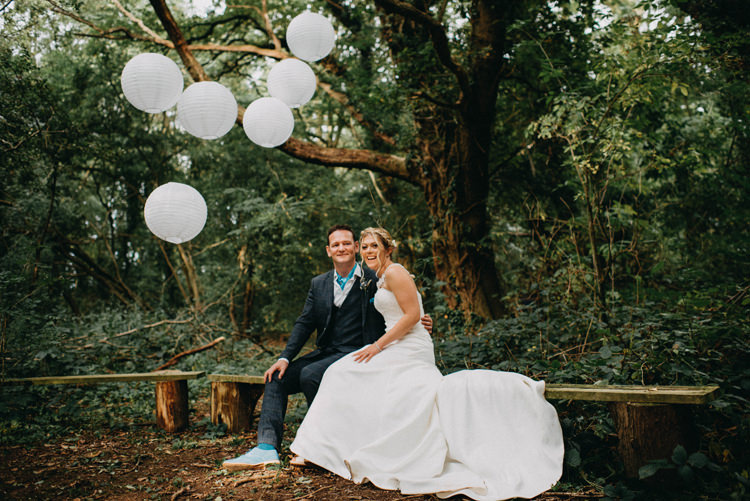
You could legally marry in places that currently require a symbolic or “non-legal” ceremony, such as a beach, forest clearing, or family garden. As long as your officiant is authorised, the location would no longer need a civil licence.
Venue licensing fees and administrative costs currently add hundreds of pounds to the price of a legal wedding. Removing that layer may lower overall costs, particularly for smaller or more informal weddings.
Couples would have more freedom to design ceremonies that reflect their values, whether that means including religious readings, cultural traditions, or a mix of both. The focus would be on consent and legality rather than strict wording or venue rules.
Humanist and independent celebrants could gain the same legal recognition as registrars and ministers. Couples choosing these officiants would no longer need to complete a separate legal ceremony at a register office.
By allowing legal weddings at home or in hospitals, the law would become more inclusive for people who cannot travel easily or who have terminal illnesses.
For many hospitality businesses, this reform could be transformative.
Pubs, boutique hotels, art galleries, and rural properties could legally host weddings without the cost or delay of securing a licence. That could open the market to thousands of new venues.
The MoJ described this as a “boost to the UK hospitality sector,” noting that the change will “support small businesses and local economies across England and Wales.”
Venues would no longer need to maintain a designated “ceremony room” approved by local authorities. As long as the chosen location meets health, safety, and dignity standards, the ceremony could take place anywhere on the property.
Industry data shows that Generation Z and younger millennials increasingly prefer less formal, more personalised weddings. According to the Law Commission’s report, 60% of couples under 35 said they wanted more choice over location and format. This reform directly responds to that demand.
While some traditional venues might fear more competition, the broader market could grow significantly. With legal weddings happening in pubs, gardens, and heritage sites, related industries—catering, photography, floristry, entertainment—are also likely to benefit.
Although the government has committed to reform, legislation has not yet passed. The MoJ has said it will bring forward draft legislation “as soon as parliamentary time allows.” That means the details—including implementation dates and transitional rules—are still being worked out.
Key questions include:
Until the legislation is introduced and approved, couples must continue to follow current rules.
The move follows years of review and consultation.
The Law Commission concluded that the current system “is unnecessarily restrictive and fails to serve today’s diverse society.” It also highlighted inconsistencies: for instance, Jewish and Quaker marriages are exempt from some rules that apply to others, and outdoor weddings are treated differently depending on religion or civil status.
The MoJ estimates that liberalising venue rules could deliver a £535 million boost to the UK economy. More legal weddings could mean more bookings for local businesses, from florists and caterers to musicians and accommodation providers.
Hospitality leaders have welcomed the move. Wedissimo co-founder and lawyer, David Clark, says “These changes are a much needed shot in the arm of the beleaguered hospitality industry. With recent increases to minimum wage and employers national insurance contributions, pubs, boutique hotels, and quirky hospitality venues across the country stand to gain the most from the relaxation of marriage licensing laws.”
Wider benefits could include rural regeneration and support for independent businesses. Many boutique venues lost revenue during the pandemic, and wedding bookings have not yet returned to 2019 levels. Simplifying marriage law could encourage new entrants and increase demand.
Almost anywhere, provided your chosen officiant is authorised and the site is safe, dignified, and accessible. Details will be set out in secondary legislation once the law passes.
If the proposals pass as expected, yes. Humanist celebrants would be able to conduct legally recognised weddings in England and Wales, aligning the law with Scotland and Northern Ireland.
The government has not given a date, but draft legislation is expected to be introduced to Parliament in 2026. Implementation could follow within a year of passage.
Existing bookings are not affected. You must still comply with the current licensing system until the new law is in force.
Possibly. Removing the need for venue licences should reduce overheads, but officiant fees and demand could influence prices in practice.
The government is expected to maintain a public register of authorised officiants, similar to how registrars and religious officials are currently listed.
No. Scotland and Northern Ireland have separate marriage laws. Scotland already allows humanist and outdoor weddings under a more flexible framework.
If you are planning a wedding in 2026 or later, it is worth keeping an eye on these developments. Monitor the Ministry of Justice updates on GOV.UK and the Law Commission website for official progress.
Venues and celebrants may wish to prepare by:
Couples planning smaller or less traditional weddings should find the changes work in their favour. For larger or more formal venues, the shift may mean more competition—but also a bigger market overall.
The UK’s wedding industry has changed dramatically in the last two decades. Civil ceremonies now account for around 80% of all marriages, and couples increasingly want experiences that reflect their personal stories rather than prescribed formats.
Reforming a 19th-century law is not just a legal tidy-up. It represents a cultural shift: recognising that marriage is about the people, not the paperwork.
When the new law comes into force, the image of the “approved room” at a licensed venue may become a thing of the past. Instead, couples could say their vows on a clifftop, in a local pub, or in their back garden—and have it count in law.
At wedissimo we help couples plan their dream wedding and we welcome the new proposals as more couples look to do something a little bit different and more personal on their wedding day.
One of the first decisions couples face when planning their wedding is whether to invite kids. Children can bring something special to the event and might even have their own roles as ring bearers or flower girls, but they also come with extra planning considerations. There’s no right or wrong answer. It’s your wedding after […]
Read More
Weddings today cost more than ever, over £20,000 on average in the UK. But your dream day doesn’t have to break the bank, or your spirit. The truth is, many of the best weddings aren’t about fancy extras, they’re about enjoying real moments with the people who matter most. We spoke to two real couples, […]
Read MoreYou May Also Like
Explore more posts from the blog
Want In On Our Happy Wedding Letter?
Join over a thousand engaged couples (and counting) who have snagged our fun no-nonsense regular wedding advice and inspo straight to their inbox. Plus you'll get planning checklists & spreadsheets for absolutely nada.
© 2010 - 2026. Whimsical Wonderland Weddings Ltd & Wedissimo Ltd. All Rights Reserved.

Leave a Reply